Blog
Different Types of Gypsum Board

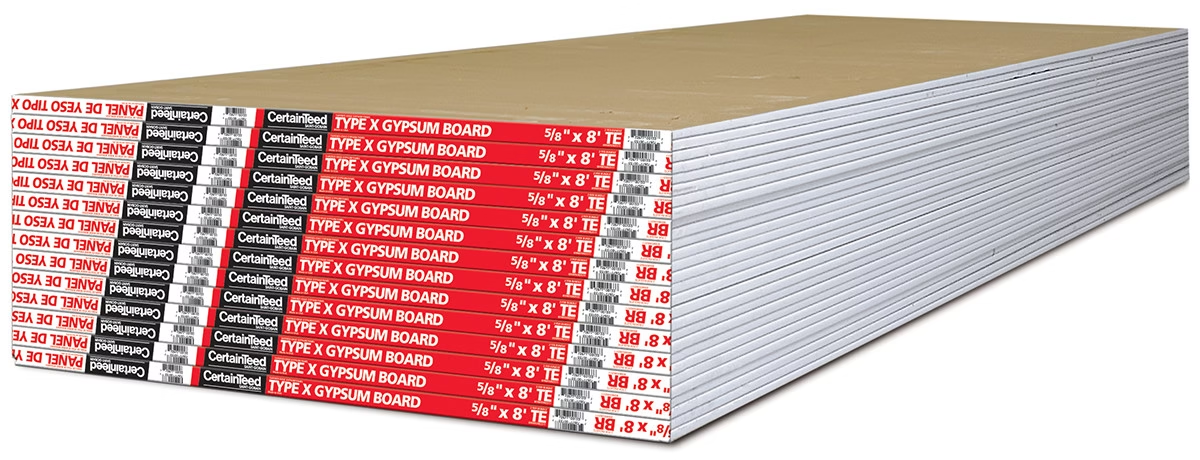
The Different Types of Gypsum Board
Gypsum board is a versatile material that is used in a wide variety of construction applications. It is made from gypsum, which is a soft mineral that is mined from the earth. Gypsum board is then mixed with water and other additives to form a panel that can be cut, sawed, and nailed.
There are many different types of gypsum board available, each with its own unique properties. Here are some of the most common types:
- Regular gypsum board: This is the most common type of gypsum board and is used for a variety of applications. It is available in a variety of thicknesses, depending on the application.
- Moisture-resistant gypsum board: This type of gypsum board is designed to resist moisture and is used in areas that are prone to moisture, such as bathrooms and kitchens.
- Fire-resistant gypsum board: This type of gypsum board is designed to resist fire and is used in areas where fire protection is required.
- Soundproofing gypsum board: This type of gypsum board is designed to reduce noise levels and is used in areas where soundproofing is desired.
- Fiberglass-reinforced gypsum board: This type of gypsum board is reinforced with fiberglass to make it stronger and more durable. It is often used in areas where there is a risk of impact damage.
- Water-resistant gypsum board: This type of gypsum board is designed to resist moisture and water damage. It is often used in areas that are exposed to moisture, such as bathrooms and basements.
- Type X gypsum board: This type of gypsum board is designed to resist fire and impact damage. It is often used in areas where there is a high risk of fire, such as firewalls and stairwells.
- Type C gypsum board: This type of gypsum board is designed to resist moisture and fire damage. It is often used in areas that are exposed to both moisture and fire, such as kitchens and bathrooms.


The type of gypsum board that you choose will depend on the specific application. For example, if you are installing gypsum board in a bathroom, you will need to use moisture-resistant gypsum board. If you are installing gypsum board in a fire-rated wall, you will need to use fire-resistant gypsum board.
When choosing gypsum board, it is important to consider the following factors:
- The application: The type of gypsum board that you need will depend on the specific application.
- The thickness: The thickness of the gypsum board will affect its strength and durability.
- The fire rating: If you need fire-rated gypsum board, make sure to choose a type that has the appropriate fire rating.
- The moisture resistance: If you are installing gypsum board in an area that is prone to moisture, make sure to choose a type that is moisture-resistant.
Gypsum board is a versatile and affordable material that has many uses in construction. It is a popular choice for a variety of applications, and it is sure to continue to be used in the construction industry for many years to come.